

Wildlife in Iceland: A Complete Guide to Animals You Can See in the Wild

Share this article

Iceland is often associated with dramatic landscapes, volcanoes, glaciers, and waterfalls. However, one of the most magical parts of visiting Iceland is its wildlife. Even though Iceland does not have a large variety of land animals, the species that live here are truly special and perfectly adapted to the harsh northern environment.

From seabirds and whales to Arctic foxes and iconic Icelandic horses, wildlife in Iceland offers unforgettable experiences for nature lovers, photographers, and travelers seeking something unique.

Birds of Iceland – A Paradise for Birdwatchers

Iceland is one of the best places in Europe for birdwatching. Thanks to its remote location and clean environment, millions of birds come to Iceland every year to nest and raise their chicks.

Puffins

The Symbol of Iceland

The Atlantic puffin is probably the most famous animal in Iceland. These small seabirds with colorful beaks arrive in spring and stay until late summer. Iceland is home to more than 60% of the world’s puffin population.


Best places to see puffins:

  • Látrabjarg cliffs (Westfjords)
  • Dyrhólaey (South Coast)
  • Vestmannaeyjar (Westman Islands)

Puffins are surprisingly curious and often come very close to people, which makes them perfect subjects for photography.

Other Common Birds

Besides puffins, Iceland is full of:

  • Arctic terns (famous for the longest migration in the world)
  • Gannets
  • Guillemots
  • Ptarmigans
  • Golden plovers

In summer, the sky is never silent. The sound of birds becomes part of the Icelandic landscape.

Marine Wildlife – Whales, Dolphins and Seal

The ocean around Iceland is rich in nutrients, which makes it one of the best places in the world for whale watching

Whales and Dolphins

More than 20 species of whales and dolphins can be seen around Iceland, including:

  • Humpback whales
  • Minke whales
  • Orcas (killer whales)
  • Blue whales (the largest animals on Earth)
  • White-beaked dolphins


Popular whale watching locations:

  • Húsavík (often called the whale watching capital of Europe)
  • Reykjavík
  • Akureyri


Whale watching tours operate almost all year, but the best season is from April to October.

Seals

Seals are commonly seen resting on rocks or swimming near the coast. The most common species are:

  • Harbour seals
  • Grey seals


Great places to spot seals:

  • Ytri-Tunga beach
  • Jökulsárlón glacier lagoon
  • Hvítserkur rock formation


Land Animals – Few but Fascinating

Unlike many countries, Iceland has very few native land mammals.

Arctic Fox

 Iceland’s Only Native Mammal

The Arctic fox is the only land mammal that lived in Iceland before humans arrived. It is perfectly adapted to cold temperatures, with thick fur that changes color depending on the season.

Foxes can be seen mainly in:


  • The Westfjords
  • Hornstrandir Nature Reserve


They are shy but curious, and spotting one in the wild feels like a true reward.

Reindeer


Reindeer are not native but were introduced from Norway in the 18th century. Today they live mostly in East Iceland.

They are wild animals, not kept on farms, and usually move in small herds across open landscapes.

Icelandic Horse

A National Treasure


Even though horses are not wild animals, the Icelandic horse deserves special attention. It is one of the purest horse breeds in the world and has remained genetically isolated for over 1,000 years.

What makes Icelandic horses special:


  • They are small but very strong
  • They have five gaits (including the famous tölt)
  • They are friendly and calm


You can see them almost everywhere in the countryside, often running freely across green fields with mountains in the background.

American Mink

The Unexpected Resident


The American mink is not native to Iceland. It was brought in the 20th century for fur farming, but many escaped and formed wild populations.

Today, minks live near:

  • Rivers
  • Lakes
  • Coastal areas

They are excellent swimmers and hunters, feeding mainly on fish, birds, and eggs. Minks are very active and curious but difficult to spot because they move quickly and usually appear near water.

For many visitors, seeing a mink feels like a rare and exciting moment, as they are silent and almost ghost-like animals.


Icelandic Sheep

 Not Exactly Wildlife, But They Deserve a Place Here :)

Sheep are not technically wildlife, but in Iceland they behave like it.

They roam freely across mountains, valleys, beaches, and sometimes even towns.

You don’t visit sheep in Iceland - sheep visit you.


They are everywhere, so it would be impossible to write an article about Icelandic animals without including them.


Every summer, sheep are released into the highlands, where they live completely wild for months. In autumn, locals organize Réttir, a traditional sheep gathering event where communities work together to bring the animals back.

Why sheep are so important in Iceland:


  • They shape the landscape through grazing
  • Icelandic lamb is a national dish
  • They are deeply connected to Icelandic culture


It is very common to suddenly stop your car because sheep are standing in the middle of the road - as if they own the country.


Responsible Wildlife Tourism


Iceland takes nature protection very seriously. When observing animals, it is important to:

  • Keep a safe distance
  • Never feed wild animals
  • Stay on marked paths
  • Avoid disturbing nesting birds

Wildlife encounters should always be respectful. The goal is to observe, not to interfere.

Why Wildlife in Iceland Feels So Special


What makes Icelandic wildlife truly unique is the feeling of space, silence, and purity. There are no zoos needed - animals live freely in their natural habitats, often far away from crowds.

Seeing whales rise from the ocean, puffins flying over cliffs, or horses running through misty fields is not just sightseeing - it is an emotional experience that stays with you long after you leave.

Iceland is not only a land of fire and ice. It is also a land of living creatures that remind us how powerful and beautiful nature can be.

Recent Posts

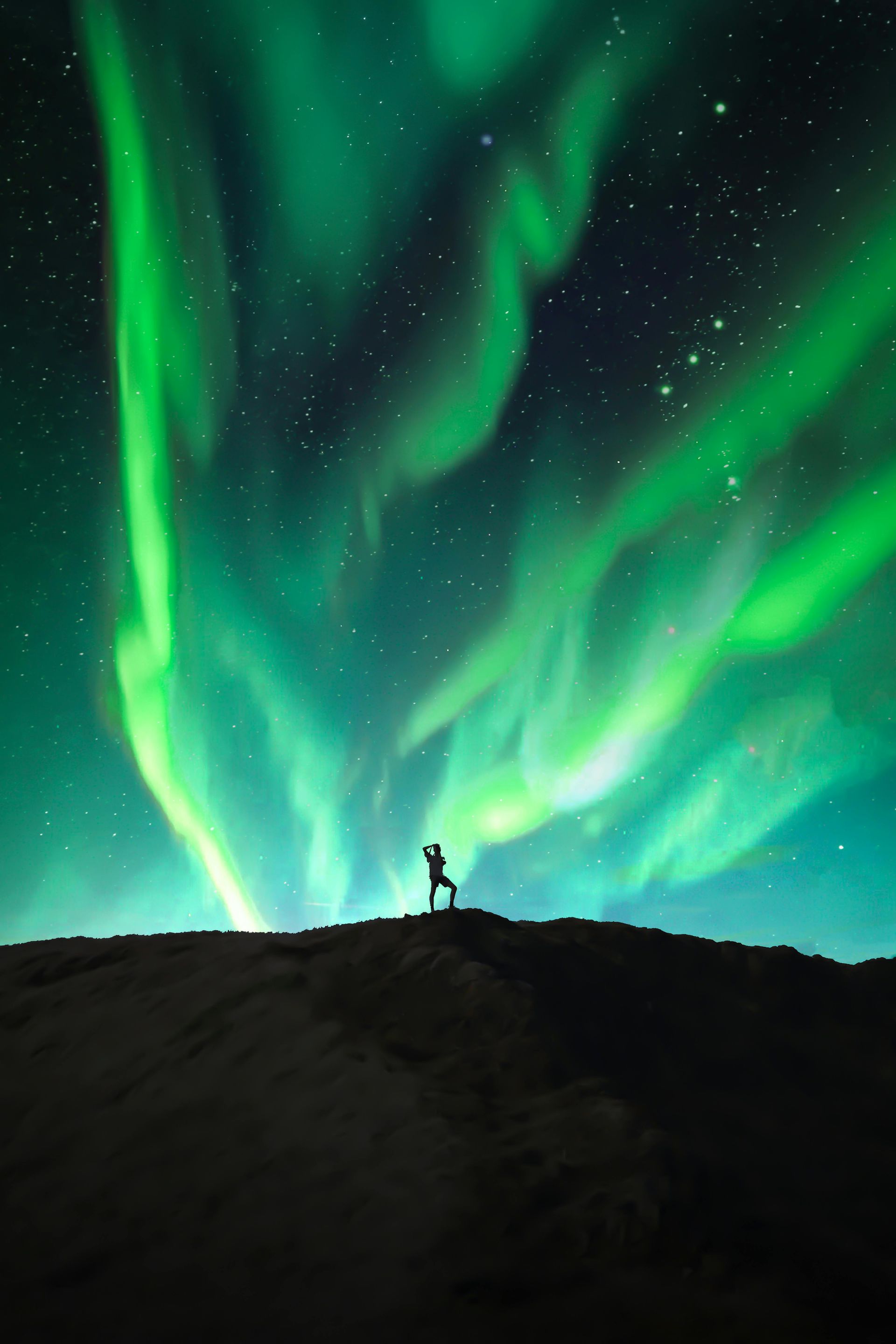
Person silhouetted on a hill, gazing at vibrant green aurora borealis swirling across a starry night sky.
by Simply Iceland 11 December 2025
Every winter, Iceland becomes one of the best places on Earth to see the Northern Lights. Far from city lights, the sky opens to a breathtaking spectacle of colour and movement. For many visitors, the aurora is the highlight of their trip - a moment worth travelling across the world for.
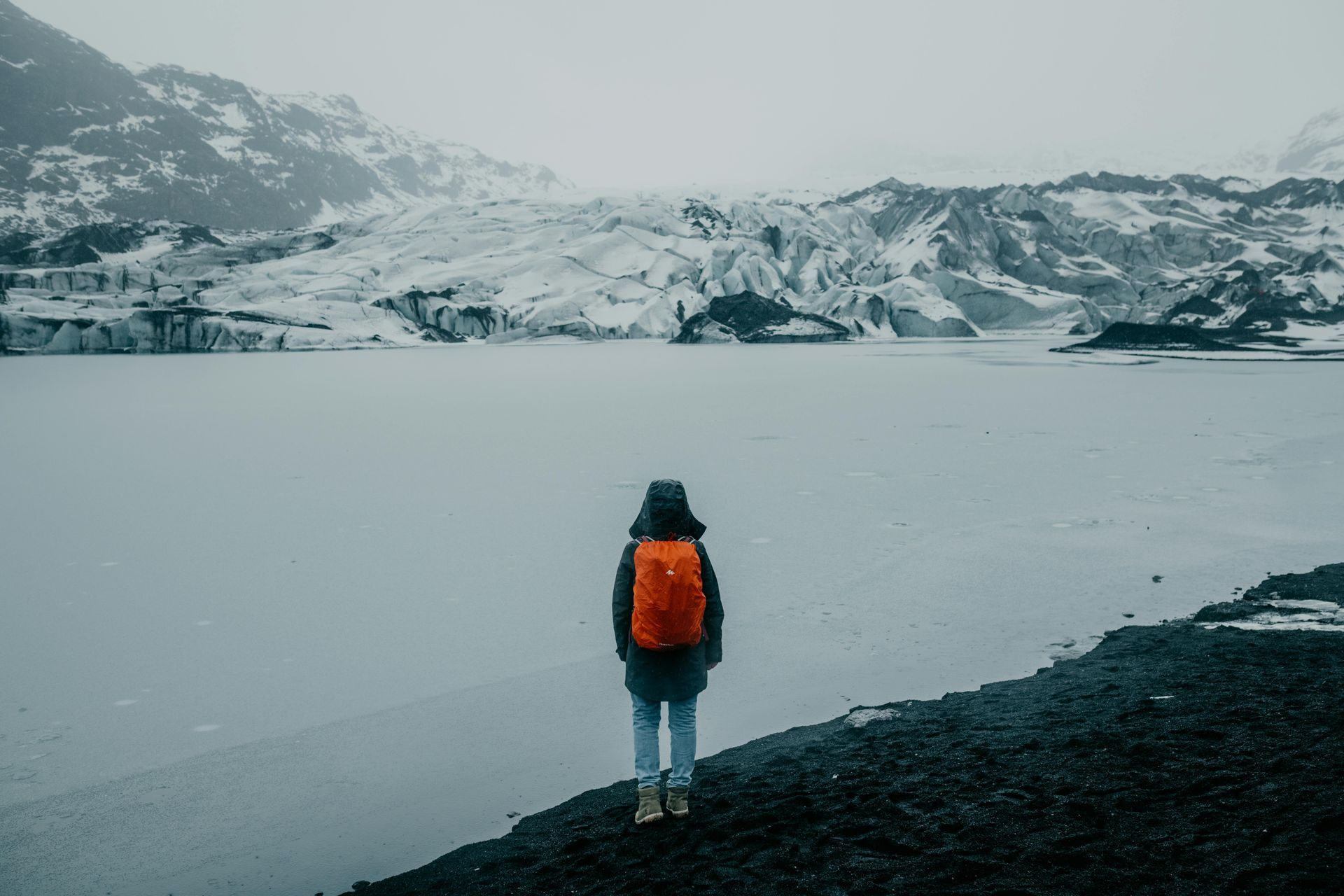
Person with an orange backpack stands before a glacial lake and snowy mountains on an overcast day.
by Simply Iceland 11 December 2025
Packing for Iceland can feel overwhelming — the weather is unpredictable, the landscapes are wild, and the conditions can change within minutes. But don’t worry! With the right packing list, you’ll be ready for anything Iceland throws your way. Here is the ultimate guide to what you really need, no matter what season you’re visiting.
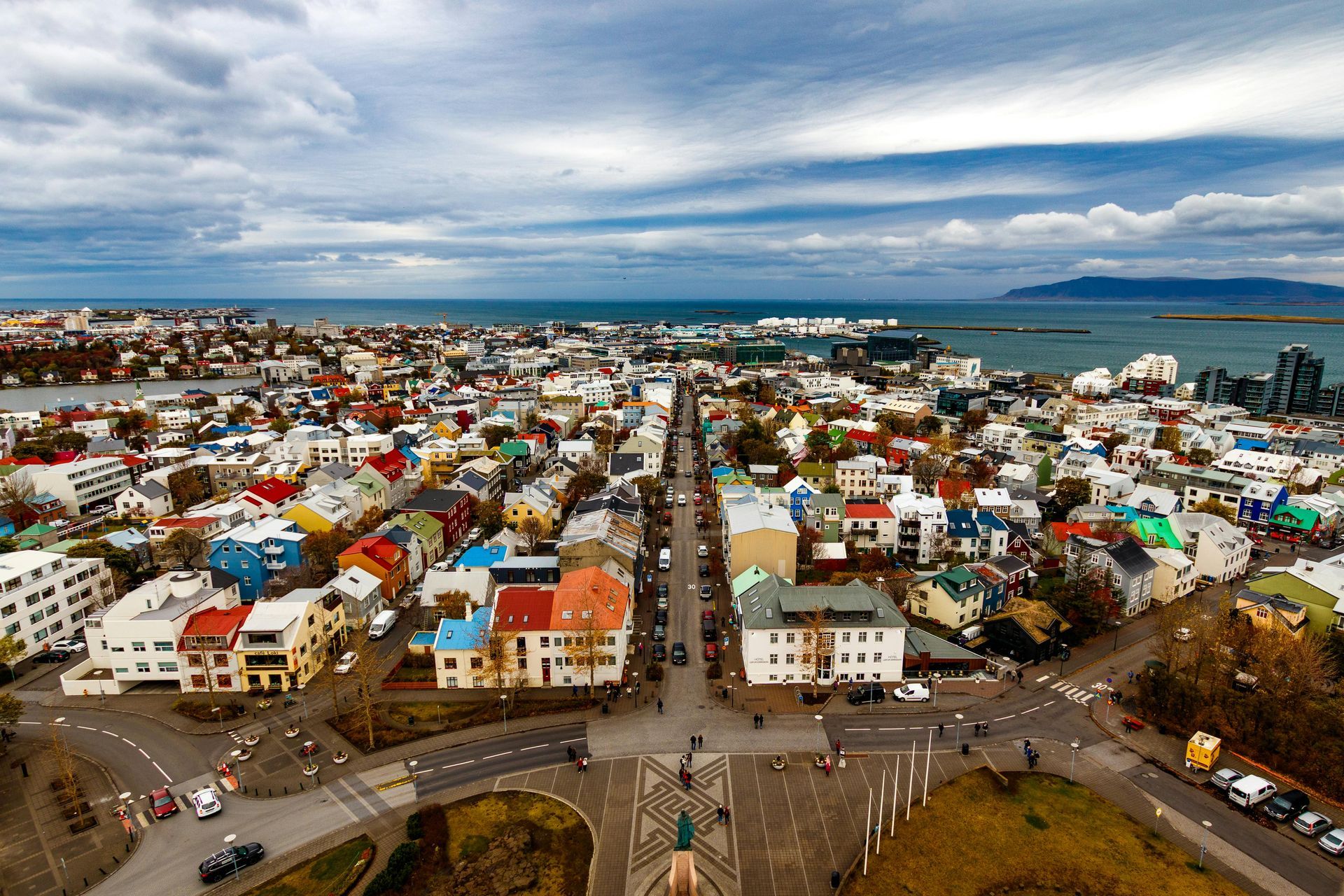
Aerial view of Reykjavik, Iceland, with colorful buildings, roads, and the ocean under a cloudy sky.
by Simply Iceland 10 December 2025
Reykjavik, the northernmost capital in the world, is a vibrant blend of colorful streets, unique architecture, rich Viking history, modern culture, and breathtaking natural scenery and even though it’s small, it offers an incredible amount of things to see, do, and experience for every type of traveler .